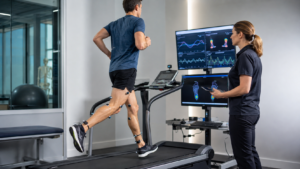

Fitness trackers and smartwatches have transformed the way people approach health and exercise. Millions now rely on wearable devices to count steps, monitor heart rate, track calories, and measure recovery. While these devices may encourage healthier habits, healthcare professionals are noticing a growing downside in 2026: an increase in overuse injuries linked to fitness tracker pressure and activity goals.
Many people now push their bodies harder because of notifications, streaks, badges, and daily movement targets. Instead of listening to pain or fatigue, users often focus on closing activity rings or reaching step goals. This trend has contributed to a rise in repetitive strain injuries, joint pain, tendon inflammation, and exercise-related stress injuries.
Why Wearable Technology Is Contributing to More Injuries
Fitness trackers are designed to motivate users through data and progress tracking. However, the constant pressure to hit movement goals may push some people beyond their physical limits. Many users increase activity too quickly without allowing enough recovery time between workouts.
Common behaviors connected to wearable-related injuries include:
- Walking excessive daily step counts
- Running without recovery days
- Ignoring soreness to maintain streaks
- Overtraining due to calorie targets
- Performing repetitive movements repeatedly
These patterns can gradually strain muscles, tendons, ligaments, and joints. What begins as mild soreness may develop into long-term pain if ignored.
Most Common Fitness Tracker Overuse Injuries
Healthcare providers report several injuries becoming increasingly common among smartwatch and wearable fitness users.
Wrist Tendonitis
Constant smartwatch wear combined with repetitive movement may irritate tendons around the wrist. Activities such as repetitive weightlifting, cycling, and extended phone use may worsen symptoms.
Knee Pain
People attempting to reach aggressive daily step counts or running goals sometimes overload their knees. Excessive walking or running without proper conditioning may increase joint stress.
Shin Splints
Rapid increases in running distance often contribute to shin splints. Many users become focused on improving weekly activity metrics too quickly.
Neck and Shoulder Strain
Frequently checking wearable devices while working or exercising may contribute to posture-related strain. Similar issues are discussed in our article on proper posture and spinal alignment.

The Psychological Pressure Behind Activity Goals
Many wearable devices rely on behavioral psychology to encourage engagement. Notifications, badges, achievement streaks, and social competition can motivate users to remain active. However, this constant pressure may also encourage people to ignore fatigue and pain signals.
Experts increasingly warn that wearable technology may contribute to unhealthy exercise habits when users become obsessed with numbers instead of overall wellness. Rest and recovery are equally important parts of physical health.
According to the Centers for Disease Control and Prevention, balanced physical activity should include proper recovery and gradual progression.
How Recovery Helps Prevent Overuse Injuries
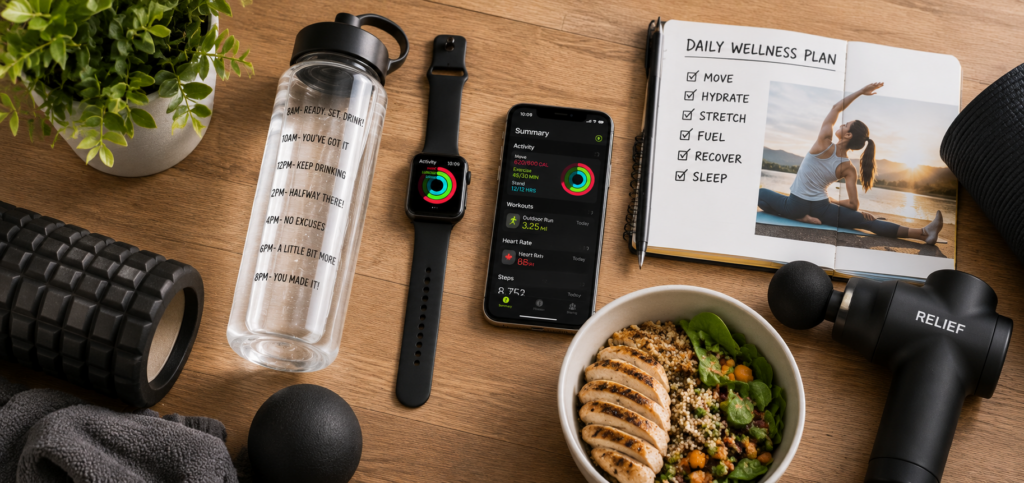
Recovery allows muscles and connective tissues time to repair after exercise. Without adequate rest, repeated strain can increase inflammation and injury risk.
Simple recovery strategies include:
- Taking scheduled rest days
- Stretching after workouts
- Maintaining hydration
- Sleeping at least seven hours nightly
- Alternating workout intensity levels
Recovery is especially important for people increasing exercise volume after long periods of inactivity.
How Chiropractors and Physical Therapists May Help
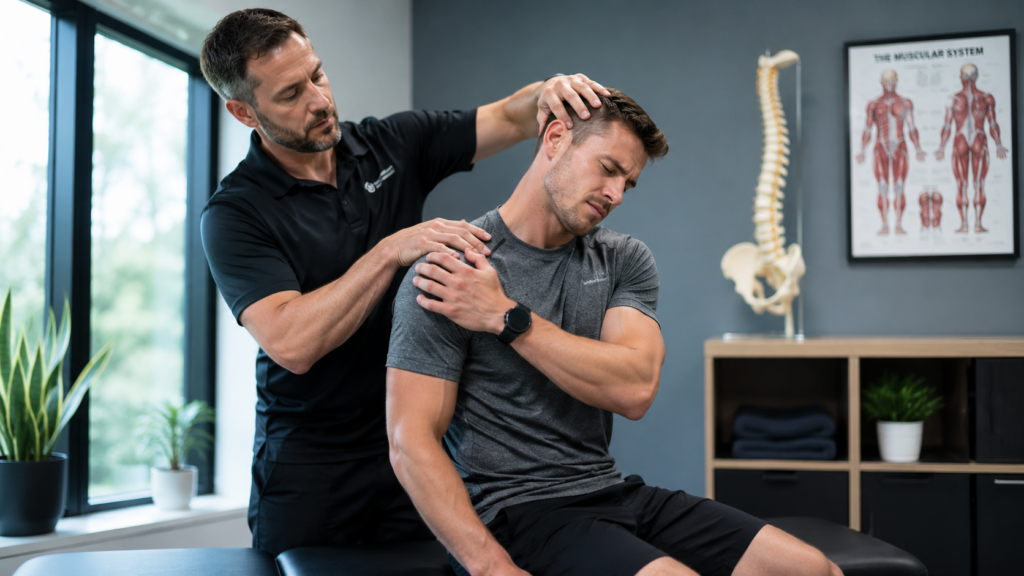
Healthcare providers often help patients manage repetitive strain injuries caused by overtraining and poor movement habits. Chiropractors and physical therapists may evaluate posture, mobility, muscle imbalances, and joint alignment.
Treatment approaches sometimes include:
- Manual therapy
- Posture correction
- Stretching routines
- Strengthening exercises
- Movement retraining
Our article about sports-related injury concerns also discusses how repetitive stress affects long-term health.
Smart Ways to Use Fitness Trackers Safely
Wearable devices are not inherently harmful. In fact, they may motivate healthier lifestyles when used responsibly. The key is using tracker data as guidance instead of rigid rules.
Experts recommend several healthy wearable habits:
- Increase activity gradually
- Listen to pain signals
- Prioritize sleep and recovery
- Avoid comparing activity levels with others
- Focus on long-term wellness instead of streaks
The World Health Organization emphasizes that sustainable activity routines are more beneficial than excessive exercise intensity.
Wearable Tech and Workplace Strain
Many professionals now combine sedentary desk work with wearable activity goals. This often leads to inconsistent movement patterns where individuals remain seated for hours before attempting intense evening workouts to meet tracker targets.
This cycle may contribute to muscle tightness and posture strain. Similar concerns are covered in our article on overuse injuries in modern fitness culture.
Ergonomic workstations, standing breaks, and consistent moderate movement throughout the day may reduce injury risk more effectively than sudden intense exercise sessions.
Children and Teen Fitness Tracker Risks
Fitness wearables are becoming more popular among teenagers and young athletes. While movement tracking may encourage healthy habits, excessive training pressure at a young age may increase repetitive strain injuries.
Younger users may become overly focused on athletic performance metrics instead of safe physical development. Parents and coaches are encouraged to monitor training intensity and ensure young athletes prioritize rest and balanced movement.
The National Library of Medicine provides educational information about safe physical activity and injury prevention.
Signs You May Be Overtraining
Overtraining symptoms are often ignored by individuals trying to maintain fitness streaks. Common warning signs include:
- Persistent soreness
- Joint stiffness
- Poor sleep quality
- Fatigue despite exercise
- Decreased performance
- Frequent headaches
If symptoms continue despite rest, medical evaluation may help identify underlying strain or injury.
Balancing Technology and Physical Health
Wearable technology continues to evolve rapidly, and fitness trackers remain valuable tools for many people. However, long-term health involves balance, recovery, and body awareness. Exercise metrics should support healthy movement habits rather than encourage constant physical pressure.
As wearable technology becomes even more advanced in 2026, users are encouraged to approach fitness goals realistically and prioritize injury prevention alongside activity tracking.
You can learn more about injury prevention and posture health in our articles on “The Complete Guide to Natural Relief for Back and Neck Pain” and “The Ultimate Guide to Chiropractic and Healthy Living”.
Additional health resources are available through the National Institute of Arthritis and Musculoskeletal and Skin Diseases and the Mayo Clinic fitness guidance.