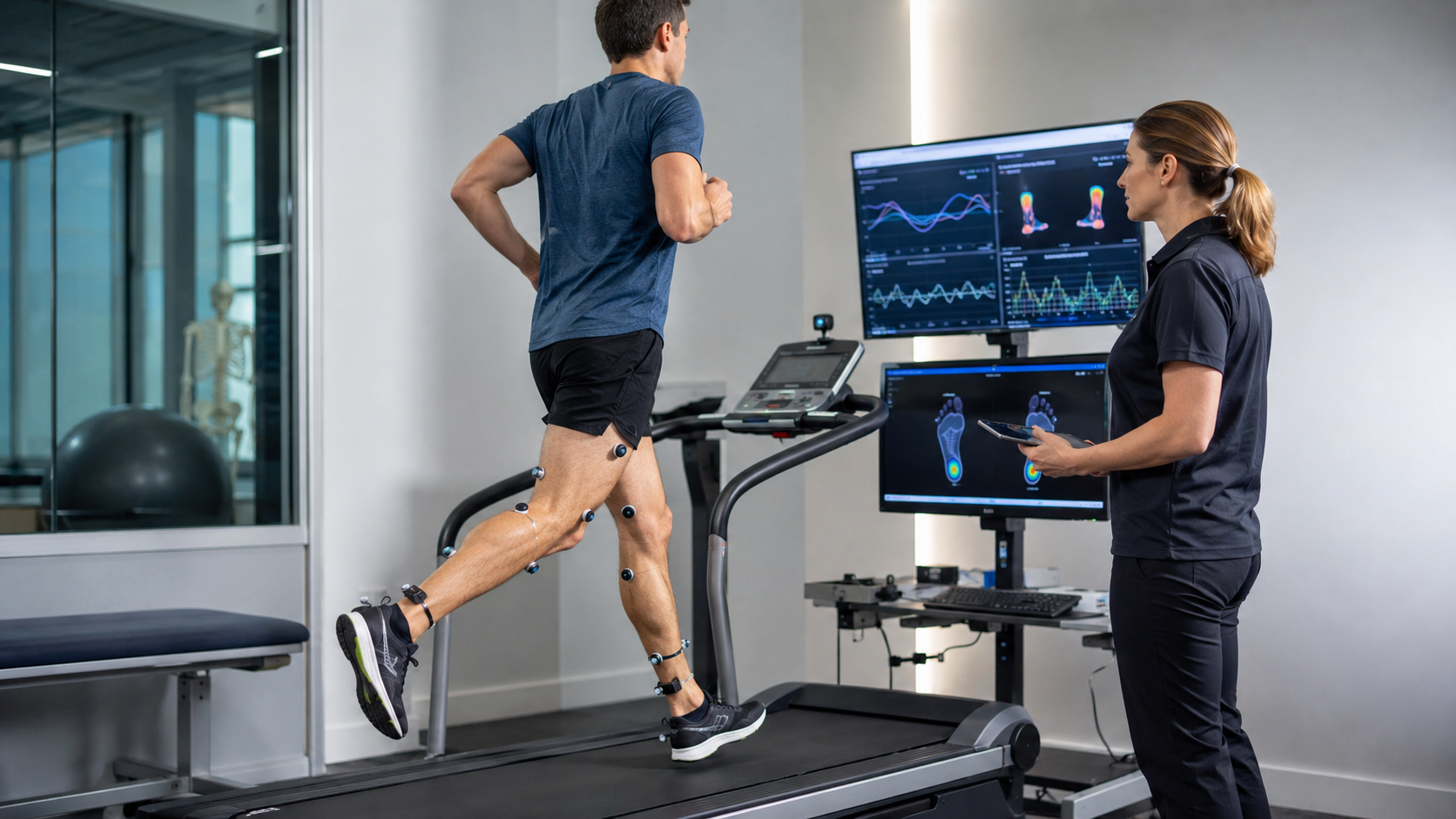
Running remains one of the most popular ways to stay active, but it also comes with a high risk of repetitive stress injuries. Knee pain, shin splints, Achilles tendon problems, hip pain, and plantar fasciitis are common among both beginners and experienced runners. In 2026, one of the biggest trends in sports injury prevention is AI gait analysis, a technology-driven approach that studies how a person runs to identify movement patterns that may increase injury risk.
Unlike basic fitness trackers that only count steps or miles, AI gait analysis looks deeper. It may examine stride length, foot strike, cadence, joint angles, impact force, symmetry, and fatigue patterns. This information can help runners, coaches, physical therapists, and sports medicine providers understand whether a runner’s movement habits may be placing too much stress on the body.
Why AI Gait Analysis Is Trending in 2026
AI-powered sports technology is becoming more common because runners want smarter ways to train and recover. Instead of waiting for pain to become serious, many athletes are using data to spot early warning signs. Wearables, smartphone apps, smart insoles, and motion-tracking tools can now collect movement data that once required a professional biomechanics lab.
This trend matters because many running injuries develop gradually. A runner may not notice a small imbalance, shortened stride, or repeated landing pattern until pain appears. AI gait analysis helps make those hidden patterns more visible.
For runners who already struggle with recurring pain, this technology may help explain why certain injuries keep coming back. It does not replace medical care, but it can support better conversations with healthcare providers.
What Is Gait Analysis?
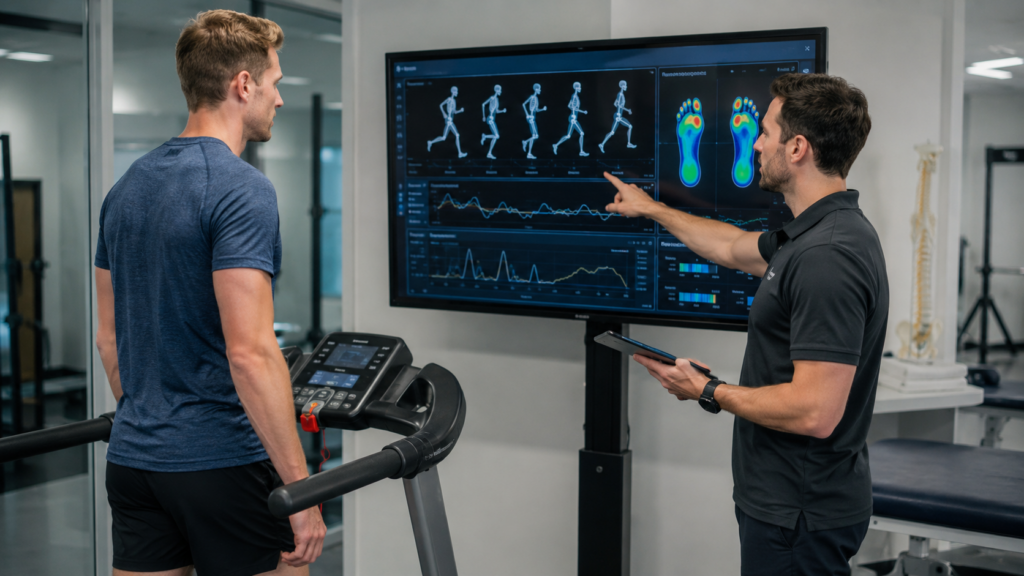
Gait analysis is the study of how a person walks or runs. Traditional gait analysis often involves a trained professional watching someone move, checking posture, stride, foot position, and body mechanics. AI gait analysis adds technology to this process by using sensors, cameras, apps, or wearable devices to measure movement more precisely.
Some systems use video recordings to track joint movement. Others use wearable sensors attached to the body, shoes, or clothing. Some smart shoes and insoles can measure pressure and impact with every step. AI then analyzes the data to look for patterns that may increase injury risk.
Common Running Injuries AI Gait Analysis May Help Identify
Running injuries often come from repeated stress rather than one sudden accident. AI gait analysis may help identify movement issues linked to several common conditions.
Runner’s Knee
Runner’s knee, also called patellofemoral pain syndrome, often causes pain around or behind the kneecap. Poor knee tracking, weak hip muscles, overstriding, and repeated impact may contribute to this condition. Runners can also learn more from our guide on ACL injury prevention strategies.
Shin Splints
Shin splints are often linked to training overload, poor footwear, hard surfaces, and changes in running form. AI tools may help detect sudden increases in impact or uneven loading between legs.
Achilles Tendon Pain
Achilles pain may develop when the calf and tendon are overloaded. Changes in cadence, push-off force, or ankle movement may reveal stress patterns that need attention.
Hip and Lower Back Pain
Weak core muscles, poor posture, or uneven stride mechanics may contribute to hip and back discomfort. Our article on proper posture and healthy alignment explains why body positioning matters during movement and daily activities.
How AI Gait Analysis Works
AI gait analysis usually begins by recording a runner’s movement. This may happen on a treadmill, outdoor track, clinic floor, or through a smartphone app. The system collects data and compares it with movement patterns linked to efficient running or possible injury risk.
Depending on the system, it may track:
- Stride length
- Cadence
- Foot strike pattern
- Ground contact time
- Step symmetry
- Knee and hip movement
- Vertical bounce
- Impact force
- Fatigue changes during a run
After analysis, the runner may receive feedback about movement habits. For example, the system might suggest that one leg absorbs more impact than the other or that the runner’s stride becomes less stable as fatigue increases.
Why Running Form Matters
Running form does not need to look perfect to be safe. Every runner moves differently. However, repeated stress from poor mechanics can increase injury risk over time. A small issue, such as overstriding or poor hip control, may place extra pressure on the knees, shins, ankles, or lower back.
AI gait analysis can help runners better understand how their bodies move. This is especially useful for people who experience recurring injuries despite stretching, changing shoes, or taking rest days.
Benefits of AI Gait Analysis for Runners
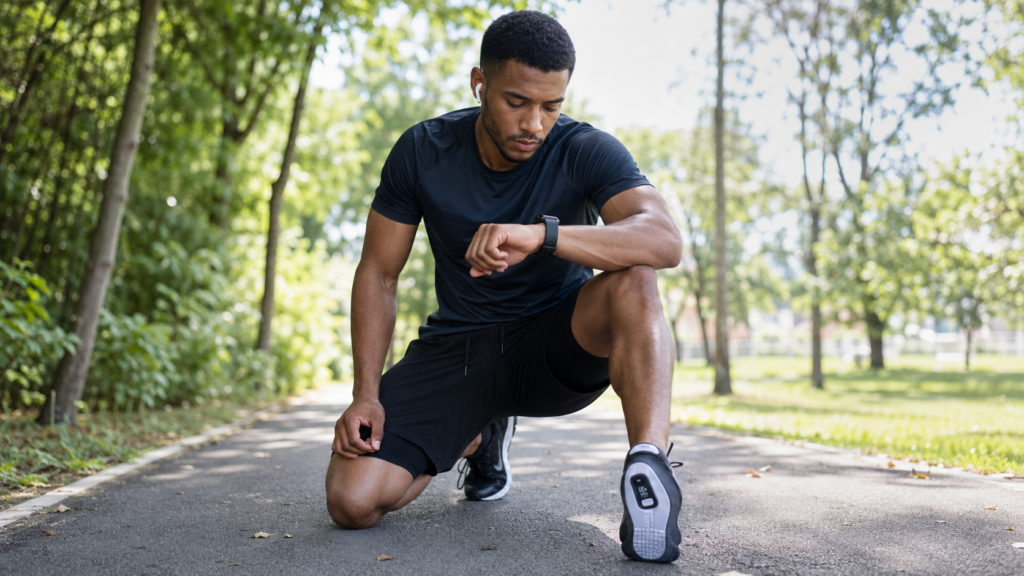
AI gait analysis may offer several benefits for runners who want to train safely.
- Early warning signs: It may identify movement changes before pain becomes severe.
- Personalized feedback: It can provide recommendations based on the runner’s own movement data.
- Better recovery planning: It may help track whether a runner is moving more evenly after an injury.
- Training adjustments: It can show when fatigue begins to affect form.
- Improved communication: It may help runners explain symptoms to physical therapists or sports medicine providers.
This type of technology can support a smarter approach to injury prevention, especially when combined with strength training, recovery, and professional guidance.
AI Gait Analysis Does Not Replace Medical Care
Although AI tools are becoming more advanced, they should not be treated as a medical diagnosis. A running app or wearable device may flag possible risks, but it cannot fully evaluate pain, inflammation, tissue damage, or medical history.
If a runner has persistent pain, swelling, numbness, weakness, or pain that changes their normal movement, they should seek professional evaluation. Physical therapists, chiropractors, orthopedic specialists, and sports medicine providers can assess the full picture.
Readers interested in broader injury topics may also find our article on sports-related injury concerns helpful.
How Runners Can Use Gait Data Safely
Data is only useful when it leads to safer decisions. Runners should avoid becoming obsessed with every number. Instead, gait analysis should be used as one tool in a balanced injury prevention plan.
Helpful ways to use gait data include:
- Tracking changes over time rather than reacting to one single run
- Using feedback to adjust training gradually
- Combining gait analysis with strength exercises
- Paying attention to pain and fatigue signals
- Discussing results with a qualified professional when pain is present
Runners should also avoid making dramatic form changes too quickly. Sudden changes in stride or foot strike can shift stress to new areas of the body.
Strength Training Still Matters
Technology can identify risks, but strength training helps correct many of the problems that contribute to injury. Weak hips, poor core control, and limited ankle mobility can all affect running mechanics.
Useful exercises for runners may include:
- Glute bridges
- Side steps with resistance bands
- Calf raises
- Single-leg balance drills
- Bodyweight squats
- Core stabilization exercises
Footwear and Training Load Are Still Important
AI gait analysis may show how a runner moves, but it is only one part of the injury prevention puzzle. Shoes, training surfaces, recovery, sleep, and weekly mileage all matter. Many running injuries happen when people increase mileage or intensity too quickly.
Runners should follow gradual training progressions and replace worn-out shoes when needed. They should also avoid copying another runner’s training plan without considering their own fitness level, injury history, and recovery needs.
When To See a Professional
Runners should consider professional help if pain lasts more than a few days, worsens during activity, or affects walking. Pain that returns every time training increases may also point to a movement or strength issue that needs evaluation.
A physical therapist or sports medicine provider may use gait analysis along with hands-on testing, strength assessment, mobility checks, and medical history. This complete approach is usually more helpful than relying on technology alone.
For readers managing posture-related pain, our article on how poor posture contributes to chronic pain may provide additional insight.
Final Thoughts
AI gait analysis is changing how runners think about injury prevention. By studying movement patterns, impact, symmetry, and fatigue, this technology may help runners detect problems earlier and train more safely. However, it works best when combined with body awareness, proper recovery, strength training, and professional care when needed.
As running technology continues to improve in 2026, the goal should not be to chase perfect numbers. The goal should be to move better, recover smarter, and reduce the risk of preventable injuries. Runners who use AI gait analysis wisely may gain a clearer understanding of their bodies and make better decisions before pain becomes a long-term setback.
For more guidance on injury prevention, explore our posts on ACL injury prevention, healthy posture, and sports injury awareness.
For additional trusted information, review resources from the CDC on physical activity, the World Health Organization on physical activity, the NIAMS guide to sports injuries, the Mayo Clinic running guidance, and research on wearable biomechanics for injury prevention.