

As remote and hybrid work remains a staple of life in 2026, a new health epidemic is rising: tech neck. Tech neck describes the strain your neck, shoulders, and upper back suffer from prolonged forward head posture while using phones, tablets, and laptops. This trend is now one of the most common sources of chronic pain in adults worldwide.

What Is Tech Neck?
Tech neck happens when you bend your head forward and down toward a screen. Every inch your head moves forward adds more strain to your cervical spine. Normal head posture keeps your ears over your shoulders, but with tech neck the head often protrudes forward by several inches, increasing muscle load. Over time this strain can cause:
- Chronic neck pain
- Upper back soreness
- Shoulder tension
- Headaches
This trend is now recognized by health professionals as a major contributor to musculoskeletal pain complaints. It’s not just a tech-age buzzword — it’s a physical phenomenon that can lead to long-term issues without early intervention.
Why Remote Work Accelerates Posture Injuries
With hybrid and remote work culture more established than ever, many people are spending 6–8+ hours per day hunched over laptops or improvised desks at home. The problem is not just screen time, it’s screen posture. Factors that amplify tech neck include:
- Low laptop screens that encourage forward head tilt
- Use of low chairs or couches without ergonomic support
- Handheld device use while lying down
- Extended Zoom or video calls without breaks
Unlike a traditional office desk set‑up with adjustable chairs and monitor risers, many remote workers lack ergonomic tools — making persistent poor posture almost inevitable.
Common Symptoms of Tech Neck
If you’re experiencing one or more of the following, you may be suffering from tech neck:
- Stiff neck after long device use
- Tightness between shoulder blades
- Headaches originating from the neck
- Reduced range of motion in the neck
- Numbness or tingling in arms or hands
These symptoms often start mild but can progress into chronic discomfort if not addressed. That’s why early posture awareness and intervention are essential.
Real-World Data: Sedentary Work and Pain Complaints
Health professionals worldwide report a rise in posture‑related complaints as digital work increases. Studies show that chronic neck and back pain are among the top reasons adults seek chiropractic, physical therapy, and ergonomic advice. These trends mirror broader shifts in work habits during the ongoing remote work era, connecting posture conditions directly to work setups and habits.
Although exact numbers fluctuate, healthcare providers consistently report increased consultations for chronic cervical strain and shoulder tension compared to pre‑remote‑work years.
Tech Neck Prevention Tips for Remote Workers
Preventing tech neck doesn’t require expensive equipment — but it does require mindful posture and consistency. Here are practical strategies recommended by posture experts and chiropractors:
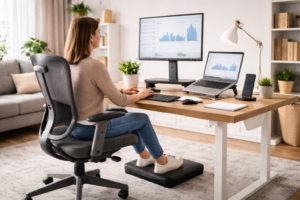
- Raise your screen to eye level — use laptop stands or external monitors.
- Sit with feet flat and back supported by an ergonomic chair.
- Take regular stretch breaks every 30–45 minutes.
- Perform neck mobility exercises (gentle tilts and rotations).
- Use posture cues like sticky notes or apps to remind you to check alignment.
These steps can dramatically reduce muscle strain and slow the development of chronic pain.
How Chiropractic Care Can Help
Chiropractic adjustment focuses on correcting spinal alignment and reducing nerve irritation caused by sustained poor posture. For many remote workers, chiropractic care complements daily posture habits by:
- Re‑aligning vertebrae in the cervical and thoracic spine
- Releasing tight muscles contributing to headaches and shoulder pain
- Providing personalized advice on posture, desks, and movement
Regular chiropractic visits, especially when combined with home stretching and posture awareness, can prevent minor aches from becoming debilitating conditions.

Simple Daily Exercises for Tech Neck Relief
Here are easy exercises you can do at home or during work breaks:
- Chin Tucks: Gently pull your head back to align ears over shoulders.
- Neck Side Bends: Tilt your ear toward shoulder to stretch lateral neck muscles.
- Shoulder Rolls: Forward and backward shoulder rolls increase upper back mobility.
- Doorway Chest Stretch: Open the chest to counteract forward shoulder posture.
Perform these 2–3 times daily for noticeable relief and improved posture over time.
Ergonomics: Simple Adjustments with Big Impact
Improving your home workstation ergonomics doesn’t have to be costly. Here are effective changes you can make today:
- External Keyboard + Mouse: Keeps laptop elevated while maintaining typing comfort.
- Laptop Stand or Books: Raises the screen to eye level.
- Seat Cushion Support: Reduces lower back strain.
These tools help you maintain a neutral posture throughout long work sessions, reducing the cumulative stress that leads to chronic pain.
When to Seek Professional Help
If your pain persists despite posture adjustments, gentle exercises, and ergonomic changes, consider consulting a professional. Persistent neck pain that interferes with daily activities or sleep may need:
- Chiropractic evaluation
- Physical therapy
- Posture assessment by an ergonomics expert
If left untreated, tech neck can contribute to more serious issues like tension headaches, nerve compression, and long‑term muscle imbalance.
Wrap‑Up: Stay Ahead of Posture Pain in 2026
Tech neck is one of the most widespread emerging health concerns tied to how we live and work today. While it may seem like a minor nuisance at first, unchecked posture strain can become chronic pain affecting your quality of life. The good news: simple awareness, intentional posture habits, ergonomic adjustments, and professional care make it highly manageable.
Start with small changes today for big improvements tomorrow — your neck, shoulders, and back will thank you.
Find more tips on posture improvement in our posts like Proper Posture 101: A Complete Guide to Healthy Alignment, Why ACL Tears Are Increasing in Young Athletes, and The Growing Concern Over Concussions And Long‑Term Effects.
External resources you might find helpful: Ergonomics basics and tips, CDC musculoskeletal health guide, and WHO physical activity recommendations.