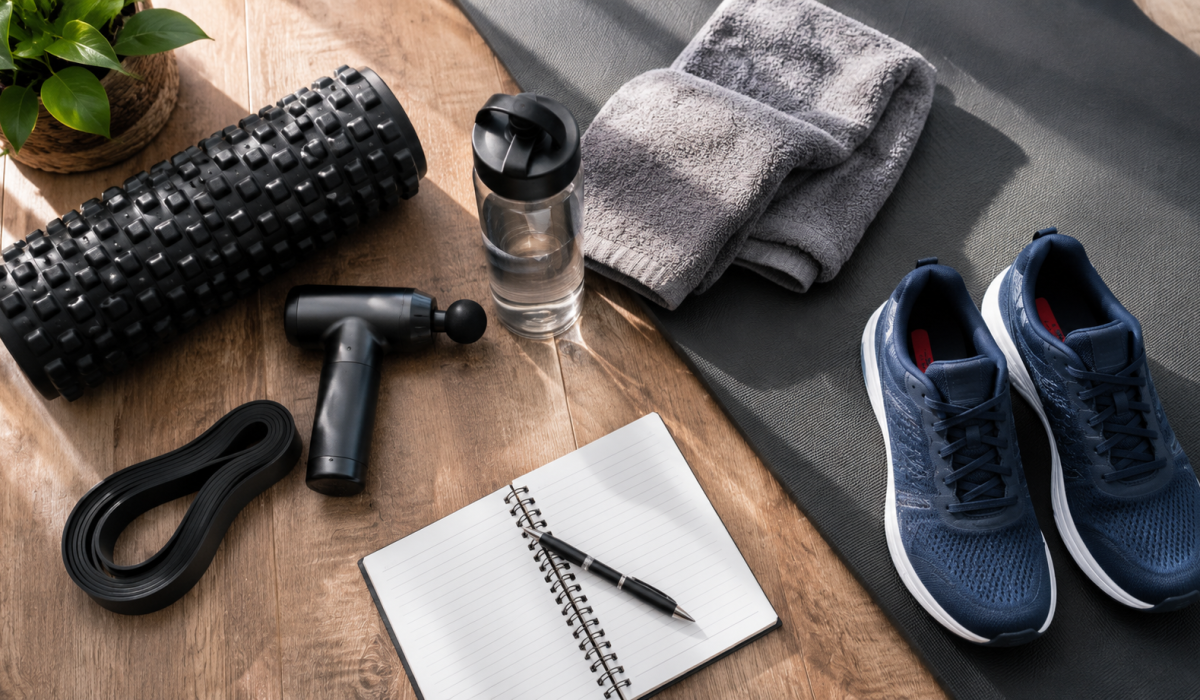
Recovery technology has become one of the biggest fitness and wellness trends of 2026. Massage guns, compression boots, cold plunges, red light devices, electrical stimulation tools, and wearable recovery trackers are no longer limited to professional athletes. They are now appearing in home gyms, fitness studios, wellness centers, hotels, and everyday workout routines.
These tools can be helpful when used properly, but they are not magic fixes. When people use recovery devices too aggressively, too often, or without understanding their medical risks, they may create new pain or worsen an existing injury. That is why recovery tech injuries are becoming an important topic for active adults, runners, gym users, and weekend athletes.
Why Recovery Tech Is Trending Right Now
More people are taking recovery seriously because they want to train consistently, reduce soreness, and stay active longer. Fitness culture has shifted from simply working harder to also recovering smarter. This has made recovery tools popular among runners, pickleball players, cyclists, weightlifters, office workers, and older adults trying to stay mobile.
Industry coverage from Forbes on recovery technology notes that gyms, hotels, and home fitness spaces are increasingly adding tools such as massage guns, compression sleeves, infrared devices, and cryotherapy options. Meanwhile, the University of Texas at Arlington cautions that not every elite sports innovation automatically belongs in an everyday person’s routine.
This is the balance people need to understand: recovery tech may support wellness, but safe use still matters.
What Are Recovery Tech Injuries?
Recovery tech injuries are aches, strains, bruising, irritation, nerve symptoms, or medical complications that happen when recovery devices are used incorrectly. These injuries may happen from using too much pressure, applying tools to the wrong body area, ignoring contraindications, or relying on devices instead of treating the root cause of pain.
For example, a person with calf pain may use a massage gun aggressively, assuming it is ordinary muscle soreness. If the pain is related to a more serious condition, that pressure could be unsafe. Someone with a recent sprain may use compression boots too early or too tightly. Another person may use cold plunges despite blood pressure or circulation concerns.
Recovery tools are not medical evaluations. They cannot tell whether pain is caused by muscle soreness, tendon irritation, nerve compression, a stress fracture, or another underlying condition.
Massage Gun Mistakes That Can Cause Pain
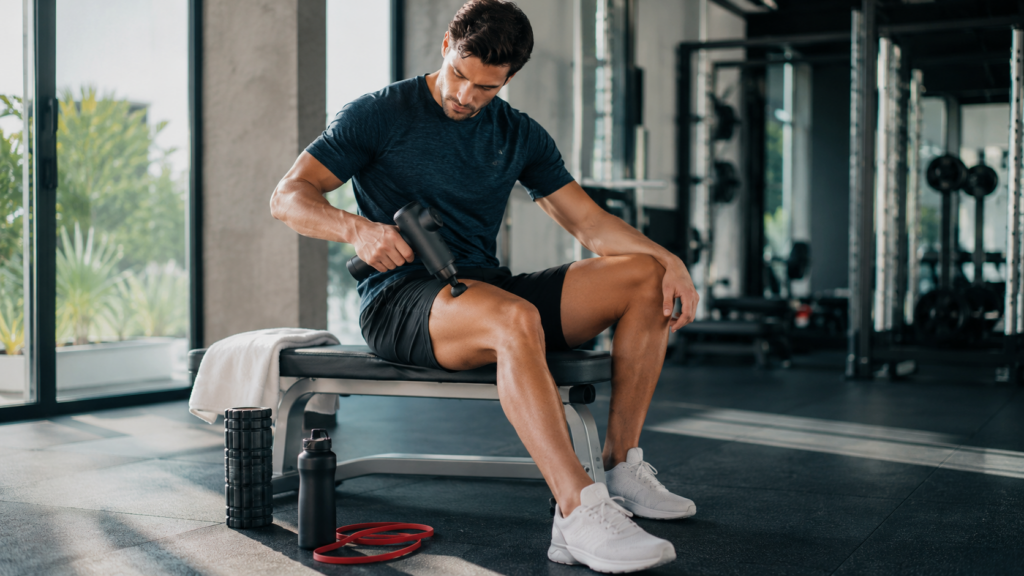
Massage guns are popular because they are portable and easy to use. They deliver rapid percussion to soft tissue and may temporarily improve comfort or mobility. However, they can also cause problems when used too aggressively.
Common mistakes include using a massage gun directly over the spine, front of the neck, bony areas, bruises, swollen joints, open wounds, or recent injuries. Some users also stay on one painful spot for too long, thinking more pressure will produce better results.
A review on massage gun recovery and safety considerations notes that percussion devices may not be appropriate for certain conditions, including suspected blood clots, recent fractures, open wounds, some nerve conditions, and sensitive body areas. For everyday users, the safer approach is short, gentle use on large muscle groups only.
If a massage gun causes sharp pain, numbness, tingling, bruising, dizziness, or worsening soreness, stop using it and consider professional guidance.
Compression Boots: Helpful Tool or Overused Shortcut?
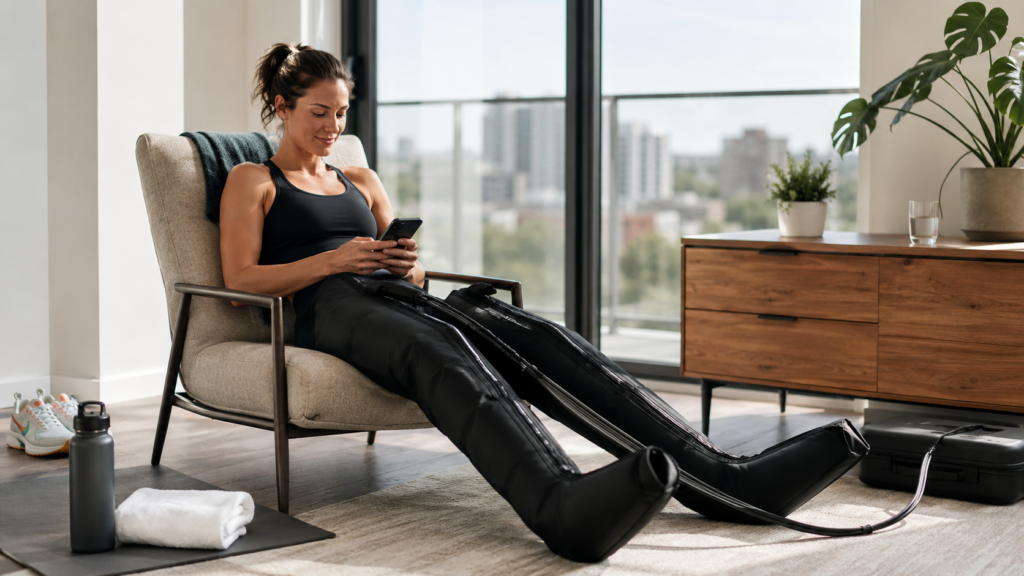
Compression boots use air pressure to squeeze the legs in cycles. Many athletes use them after hard workouts because they feel relaxing and may help reduce temporary heaviness or soreness. However, they should still be used carefully.
Problems may happen when people use pressure settings that are too high, stay in the boots too long, or use them despite circulation issues. Compression may also be inappropriate for some people with vascular conditions, suspected blood clots, certain heart conditions, or unexplained leg swelling.
A recovery review published in Sports journal research on recovery strategies explains that recovery devices vary in evidence strength and should not replace fundamentals such as sleep, nutrition, hydration, and proper training load. This is especially important for people who assume compression boots can undo overtraining.
Compression boots should feel firm but not painful. If they cause numbness, unusual swelling, skin color changes, or sharp discomfort, the session should stop.
Cold Plunges and Cryotherapy Risks
Cold plunges are also trending in fitness and wellness spaces. Some people use cold exposure after workouts to feel refreshed, reduce soreness, or support mental resilience. However, sudden cold exposure can be stressful for the body.
Cold plunges may be risky for people with certain heart conditions, blood pressure concerns, circulation problems, or cold sensitivity. Staying in cold water too long can also create numbness, poor coordination, or unsafe drops in body temperature.
The key is moderation. Cold therapy should not be treated as a competition. Longer and colder is not always better. People should avoid cold plunges when they feel dizzy, ill, exhausted, or medically unsure.
Electrical Stimulation Devices Need Caution
Electrical stimulation devices are marketed for muscle activation, soreness relief, and recovery. Some physical therapists use clinical electrical stimulation as part of supervised rehabilitation. Home devices, however, are often used without professional instruction.
Potential problems include skin irritation, muscle cramping, discomfort from incorrect intensity, or unsafe use near implanted medical devices. Electrical stimulation should not be placed near the head, chest, front of the neck, or broken skin. People with pacemakers, seizure disorders, pregnancy-related concerns, or heart conditions should speak with a healthcare provider before using these devices.
For safer recovery planning, readers may also find our guide on proper posture and healthy alignment useful, especially when pain is related to movement habits instead of simple soreness.
Do Recovery Devices Prevent Injuries?
Recovery devices may support comfort, but they do not guarantee injury prevention. Injury risk is usually influenced by training load, sleep quality, strength, flexibility, movement mechanics, footwear, nutrition, medical history, and recovery time.
The CDC physical activity guidance emphasizes regular movement and safe activity habits, while the World Health Organization physical activity guidance recommends consistent activity balanced with health needs. Recovery technology should fit into that bigger picture rather than replace it.
If someone repeatedly needs a device just to tolerate exercise, that may be a sign their training routine is too intense or an underlying injury needs evaluation.
Warning Signs You Should Not Ignore
Recovery tools are often used on sore muscles, but some symptoms deserve more caution. Stop using recovery devices and seek professional advice if you experience persistent swelling, sharp pain, numbness, tingling, skin discoloration, unexplained calf pain, chest symptoms, dizziness, worsening weakness, or pain that changes the way you walk.
People recovering from surgery, fractures, joint replacements, blood clot history, vascular disease, nerve disorders, or serious chronic health conditions should be especially careful. In these cases, recovery tools should be cleared by a medical professional.
Our article on sports injury awareness also explains why symptoms should not be ignored just because they appear after athletic activity.
Safe Ways to Use Recovery Tech
Recovery tech is safest when used as a support tool, not a cure-all. Start with low intensity, short sessions, and avoid painful pressure. Use massage guns only on large muscle areas, not bones, joints, the spine, or the front of the neck. Use compression boots according to manufacturer guidelines and avoid high pressure if you are unsure about circulation issues.
Cold plunges should be brief and controlled. Electrical stimulation should follow device instructions carefully and should not be used near sensitive or medically risky areas. Most importantly, recovery tools should never be used to push through injury pain.
For people dealing with desk-related soreness or poor movement habits, our guides on how poor posture contributes to chronic pain and common workplace injuries may help identify everyday causes of discomfort.
The Best Recovery Still Starts With Basics
Even the most advanced recovery device cannot replace the basics. Sleep, hydration, proper nutrition, active recovery, gradual training, strength work, and rest days remain essential. The Mayo Clinic fitness guidance emphasizes building safe, sustainable exercise habits instead of relying on quick fixes.
For athletes and active adults, recovery tech may be useful when it supports a balanced routine. It becomes risky when people use it to cover up pain, skip rest, or self-treat symptoms they do not understand.
Final Thoughts
Recovery technology is likely to keep growing in 2026. Massage guns, compression boots, cold plunges, and electrical stimulation devices can all play a role in modern wellness routines, but they must be used wisely. More pressure, colder temperatures, longer sessions, or more expensive devices do not automatically mean better recovery.
The safest approach is to listen to your body, respect pain signals, and use recovery tools as part of a complete injury prevention plan. When soreness becomes persistent pain, or when symptoms feel unusual, professional evaluation is more valuable than another device session.