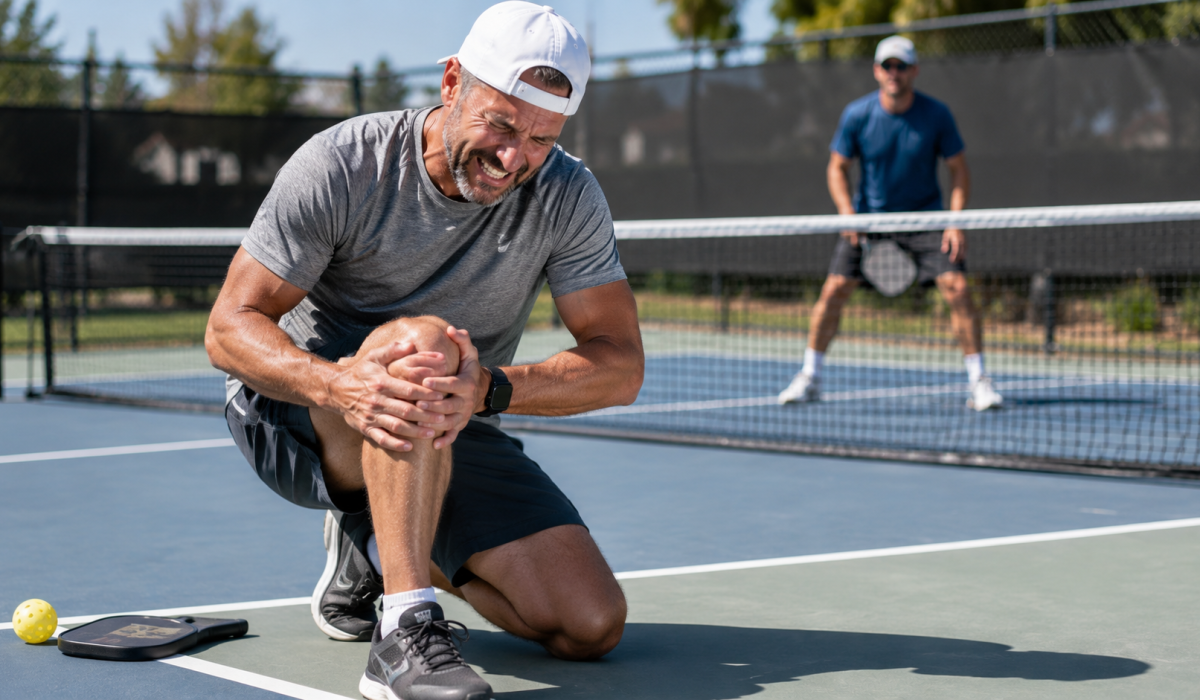
Pickleball has become one of the fastest-growing recreational sports in the world. What started as a backyard pastime has evolved into a competitive activity enjoyed by millions of players of all ages. As courts continue appearing in parks, fitness centers, and communities across the country, healthcare professionals are noticing a parallel trend: a sharp increase in pickleball-related injuries.
In 2026, sports medicine specialists, chiropractors, and physical therapists are reporting more cases involving ankle sprains, knee injuries, shoulder strains, wrist pain, and lower back problems associated with pickleball. While the sport is often viewed as lower impact than tennis, its quick movements, sudden direction changes, and repetitive motions can place significant stress on the body.
Why Pickleball Injuries Are Increasing
Several factors are contributing to the rise in pickleball injuries. One of the biggest reasons is the sport’s growing popularity among adults who may be returning to physical activity after years of limited exercise. Many players begin participating without adequate conditioning, flexibility training, or sport-specific preparation.
Other contributing factors include:
- Sudden lateral movements
- Quick stops and pivots
- Repetitive overhead shots
- Insufficient warmups
- Improper footwear
- Overuse from frequent play
As participation continues to increase, so does the likelihood of injury among recreational and competitive players.
The Most Common Pickleball Injuries
Ankle Sprains
Ankle sprains remain among the most frequently reported pickleball injuries. Players often move laterally while attempting to return shots, increasing the risk of rolling an ankle.
Knee Injuries
Rapid changes in direction can place stress on the knee joint. Meniscus injuries, ligament strains, and patellar pain are commonly reported by players who increase their activity levels too quickly.
Shoulder Strains
Repeated overhead serves and smashes may lead to shoulder irritation, particularly among players with limited mobility or previous injuries.
Tennis Elbow and Wrist Pain
Despite the name, tennis elbow frequently affects pickleball players due to repetitive gripping and swinging motions.
Many of these conditions are similar to injuries discussed in our article on sports injury trends and prevention.
How Age Influences Injury Risk
Pickleball attracts participants from a wide range of age groups, but injury risks often increase as players age. Reduced flexibility, slower recovery times, and preexisting joint conditions may increase susceptibility to strains and sprains.
This does not mean older adults should avoid the sport. Instead, proper preparation, conditioning, and recovery become increasingly important.
According to the Centers for Disease Control and Prevention, regular physical activity remains one of the best ways to maintain long-term health when performed safely.
The Importance of Proper Warmups
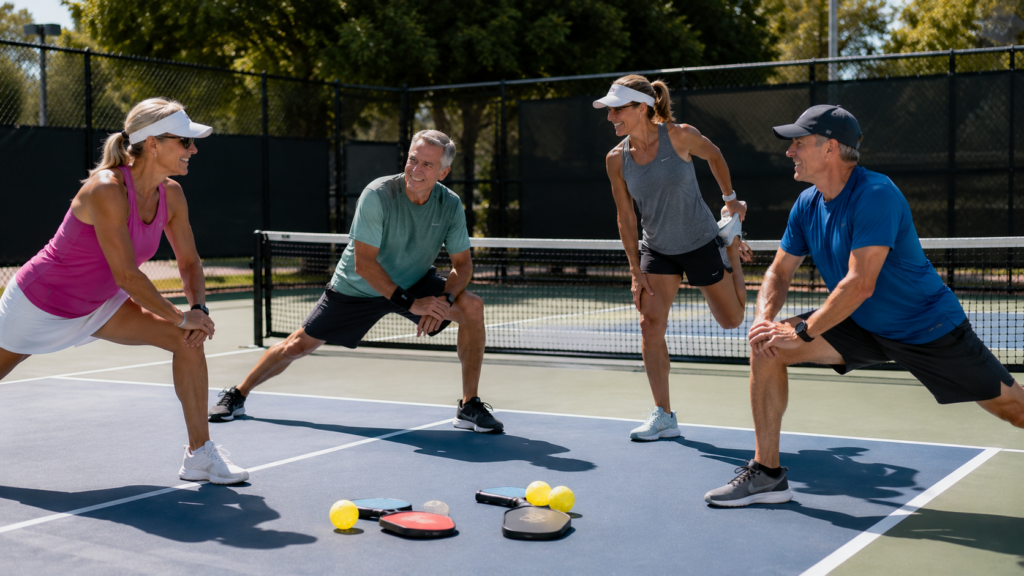
One of the simplest ways to reduce injury risk is performing a proper warmup before stepping onto the court. Unfortunately, many recreational players skip this step entirely.
A complete warmup may include:
- Light jogging or walking
- Dynamic stretching
- Shoulder mobility exercises
- Ankle activation drills
- Hip mobility movements
Preparing muscles and joints for activity may help reduce sudden strains and improve overall performance.
Choosing the Right Footwear
Footwear plays a major role in injury prevention. Running shoes are often designed for forward movement, while pickleball requires significant side-to-side motion.
Court shoes provide better lateral support and traction, helping reduce the risk of slips and ankle injuries.
The American Council on Exercise highlights the importance of proper footwear selection for injury prevention in recreational sports.
Strength Training Helps Protect Joints
Many injuries occur because muscles surrounding key joints lack sufficient strength. Incorporating strength training into a weekly routine may help support the knees, hips, shoulders, and ankles.
Useful exercises include:
- Bodyweight squats
- Lunges
- Resistance band exercises
- Core strengthening routines
- Shoulder stabilization drills
Our article on proper posture and alignment discusses how body mechanics contribute to injury prevention during daily activities and sports.
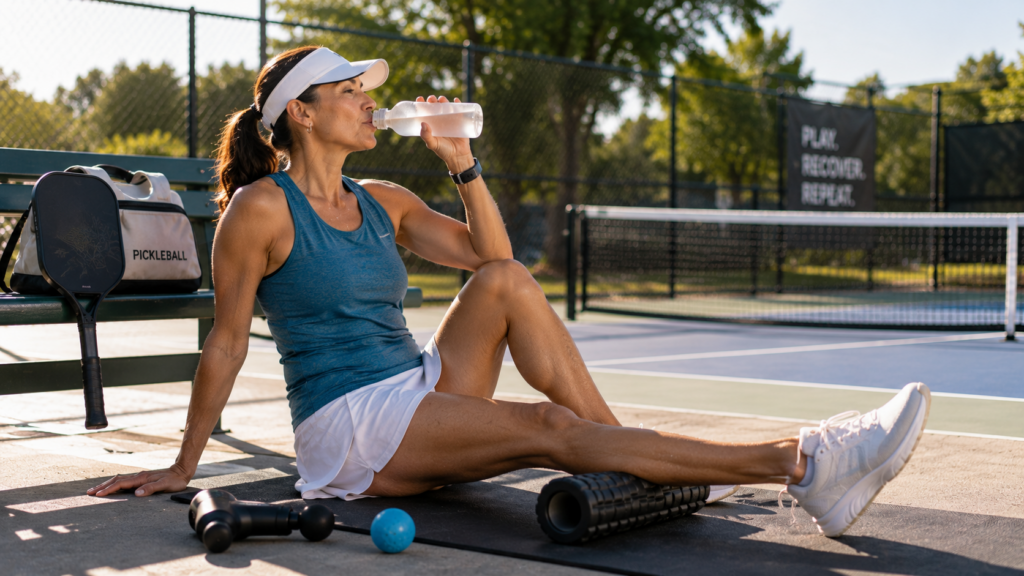
Recovery Is Just As Important As Exercise
Many players focus exclusively on playing more games while overlooking recovery. Rest allows muscles, tendons, and joints to repair following activity.
Recovery strategies may include:
- Hydration
- Adequate sleep
- Stretching
- Foam rolling
- Rest days between intense sessions
The World Health Organization emphasizes balancing activity and recovery to support overall wellness.
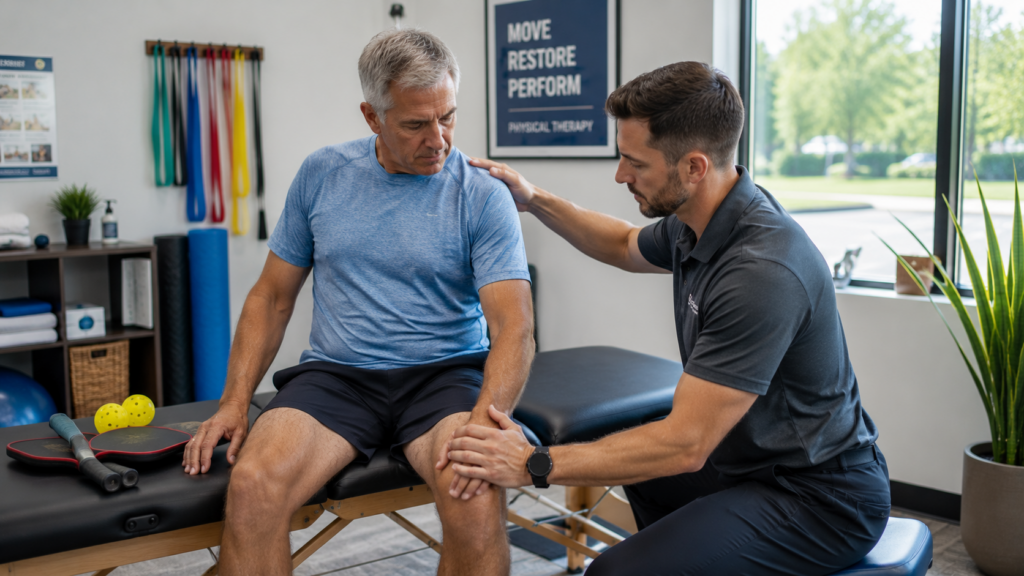
When To Seek Professional Evaluation
Minor soreness after activity is common, but persistent pain may indicate an underlying injury. Players should consider professional evaluation if symptoms interfere with daily activities or continue despite rest.
Healthcare providers may assess:
- Joint mobility
- Muscle imbalances
- Movement patterns
- Posture
- Previous injury history
Chiropractors, physical therapists, and sports medicine specialists often work together to address both symptoms and contributing factors.
Additional injury prevention insights can be found in our articles on “Preventing Sports Injuries with Chiropractic Care and Mobility Training”, “Proper Posture 101: A Complete Guide to Healthy Alignment”, and ACL injury prevention strategies.
The Future of Pickleball Safety
As pickleball continues expanding worldwide, injury prevention education is becoming increasingly important. Players who invest in conditioning, proper technique, quality equipment, and recovery habits may significantly reduce their risk of injury while continuing to enjoy the sport.
Organizations such as the USA Pickleball Association and the Mayo Clinic provide valuable resources related to fitness, movement, and healthy activity habits.
Final Thoughts
Pickleball offers an enjoyable way to stay active, socialize, and improve fitness. However, its growing popularity has also led to an increase in sports-related injuries. Understanding common injury risks and adopting preventative strategies may help players stay healthy and active throughout 2026 and beyond.
Whether you’re new to the game or a seasoned competitor, prioritizing preparation, proper technique, recovery, and injury awareness can support a safer and more enjoyable experience on the court.