
Workplace injuries can happen in almost any job, whether someone works in an office, warehouse, clinic, restaurant, school, construction area, or remote home office. Some injuries happen suddenly, such as a fall or lifting accident. Others build slowly over time from poor posture, repetitive motion, long hours at a desk, or repeated strain on the same muscles and joints.
Understanding the most common workplace injuries is the first step toward prevention. When workers recognize early warning signs and employers improve safety habits, many injuries can be reduced before they become long-term problems.
1. Back Strains From Lifting and Poor Movement
Back strains are among the most common workplace injuries. They often happen when a person lifts something heavy, twists while carrying a load, bends awkwardly, or works for long periods without proper support. Warehouse workers, healthcare employees, delivery drivers, retail staff, and office workers can all experience back pain from daily tasks.
Repeated heavy lifting or sudden awkward movement can strain the muscles and ligaments of the back. The risk increases when workers rush, skip proper lifting techniques, or try to carry more than they can safely handle. The Mayo Clinic back pain guide explains that repeated lifting and awkward movement can contribute to back problems.
To prevent back injuries, keep objects close to the body, bend at the knees, avoid twisting while lifting, and ask for help with heavy loads. Employers can also provide carts, lift-assist tools, team-lifting procedures, and training for safer material handling.
2. Neck and Shoulder Pain From Poor Posture
Neck and shoulder pain is increasingly common in modern workplaces. Long hours on laptops, low monitors, poor chair support, and constant phone use can pull the head forward and round the shoulders. Over time, this posture may lead to stiffness, headaches, upper back tension, and nerve irritation.
This issue is closely related to the posture problems discussed in Tech Neck & Slouching: Chiropractic Solutions for Modern Posture Problems. Workers who spend most of the day looking down at screens may place extra stress on the cervical spine and surrounding muscles.
Prevention starts with better workstation setup. Keep the screen at eye level, sit with feet flat on the floor, keep elbows close to the body, and take short movement breaks throughout the day. A well-adjusted desk and chair can reduce strain, but posture awareness is just as important.

3. Repetitive Strain Injuries
Repetitive strain injuries develop when the same movement is performed again and again. These injuries often affect the wrists, hands, elbows, shoulders, neck, and back. Office workers may develop wrist or hand pain from typing and mouse use. Factory and warehouse workers may develop tendon irritation from repeated gripping, reaching, scanning, or packing.
The Occupational Safety and Health Administration notes that repetitive tasks, awkward posture, forceful exertion, lifting, bending, pushing, and pulling can increase the risk of work-related musculoskeletal disorders.
To reduce repetitive strain, rotate tasks when possible, use ergonomic tools, keep wrists neutral, adjust work height, and take brief stretch breaks. Workers should also report early symptoms such as tingling, numbness, burning, or persistent soreness before the condition worsens.
4. Slips, Trips, and Falls
Slips, trips, and falls can happen in offices, restaurants, hospitals, warehouses, stores, and outdoor job sites. Common causes include wet floors, cluttered walkways, loose cords, poor lighting, uneven surfaces, missing handrails, and improper footwear.
The CDC/NIOSH workplace falls resource identifies falls as a serious workplace safety issue. Even a seemingly minor fall can lead to sprains, fractures, head injuries, back pain, or long recovery periods.
Prevention requires consistent housekeeping. Spills should be cleaned quickly, walkways should remain clear, cords should be secured, and warning signs should be used when floors are wet. Workers should also wear footwear appropriate for their job duties and avoid rushing through cluttered or slippery areas.
5. Sprains and Strains
Sprains affect ligaments, while strains affect muscles or tendons. These injuries often happen when workers lift awkwardly, move suddenly, climb stairs, step off uneven surfaces, or perform physically demanding tasks without preparation.
Sprains and strains are common in active jobs, but they can also affect office workers who sit for long periods and then move suddenly. Stiff muscles and limited mobility can make the body less prepared for quick movement.
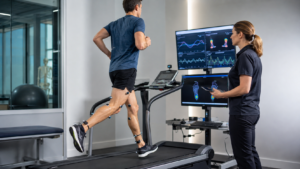
Warm up before physically demanding tasks, use proper body mechanics, avoid rushing, and keep work areas organized. Strength, flexibility, and mobility exercises can also help reduce injury risk. Readers interested in movement-based injury prevention may also benefit from AI Gait Analysis for Running Injuries, which explains how movement patterns can reveal injury risks.
6. Cuts, Burns, and Contact Injuries
Cuts, burns, and contact injuries are common in kitchens, workshops, construction areas, manufacturing spaces, and healthcare settings. Sharp tools, hot surfaces, chemicals, machinery, and broken materials can all create injury risks.
Personal protective equipment can help reduce exposure to workplace hazards. The OSHA personal protective equipment overview explains that PPE may include gloves, safety glasses, safety shoes, hard hats, respirators, ear protection, and protective clothing, depending on the workplace hazard.
Prevention depends on using the right protection for the task. Workers should be trained on safe tool handling, machine guarding, chemical labeling, and emergency procedures. PPE should fit properly and be replaced when damaged.
7. Headaches and Eye Strain
Headaches and eye strain are common among workers who spend long hours in front of screens. Poor lighting, glare, low monitor height, stress, dehydration, and muscle tension can all contribute. These symptoms may also appear with neck stiffness and upper back pain.
Workplace headaches may improve when screen brightness, monitor height, chair position, and lighting are adjusted. Workers should also look away from the screen regularly, stay hydrated, and reduce glare where possible.
For related wellness guidance, see Lifestyle & Chiropractic Care: A Holistic Approach to Headache Prevention.
8. Overuse Injuries From Wearables and Activity Goals
Some workplace injury risks are connected to modern habits. Workers using fitness trackers may try to hit step goals during breaks or after work, even when tired or sore. While movement is helpful, sudden increases in activity can contribute to foot, knee, or tendon pain.
This is similar to the issue discussed in Fitness Tracker Injuries Are Rising in 2026. The safest approach is gradual movement, not forced activity. Walking breaks should support comfort and circulation, not create new strain.

How Employers Can Help Prevent Workplace Injuries
Employers play a major role in injury prevention. A safer workplace begins with hazard identification, training, good equipment, open communication, and practical ergonomic improvements. The CDC/NIOSH ergonomics guidance explains that ergonomics is about designing work tasks to fit worker capabilities and reduce musculoskeletal injury risks.
Employers can reduce injuries by inspecting work areas, fixing hazards quickly, improving lighting, maintaining equipment, providing proper PPE, training workers, and encouraging early reporting of symptoms. A workplace culture that takes small discomfort seriously can prevent minor pain from becoming a more serious injury.
How Workers Can Protect Themselves
Workers can also take daily steps to lower injury risk. Use proper lifting technique, keep workstations adjusted, report hazards, wear required PPE, take movement breaks, and avoid ignoring pain. If a task feels unsafe, workers should ask for help or request safer equipment.
In active jobs, hydration, rest, and pacing matter. In desk jobs, posture, screen height, and regular movement are essential. In all workplaces, the goal is the same: reduce unnecessary strain before the body reaches its limit.
Workers involved in recreational sports outside of work may also want to read Why Pickleball Injuries Are Surging in 2026 and How to Prevent Them, since many prevention habits overlap with workplace safety, including warmups, mobility, footwear, and recovery.
When to Seek Professional Help
Not every ache is serious, but pain should not be ignored when it persists, worsens, or affects daily activities. Workers should consider professional evaluation if they experience numbness, tingling, weakness, swelling, sharp pain, recurring headaches, or pain that changes the way they walk, sit, lift, or work.
Chiropractors, physical therapists, occupational health providers, and medical professionals may help identify the source of discomfort and recommend safe recovery steps. Early care may prevent a temporary injury from becoming a long-term issue.
Final Thoughts
Common workplace injuries are not limited to dangerous job sites. They can happen in quiet offices, busy kitchens, clinics, warehouses, retail stores, and home workspaces. Back strains, posture pain, repetitive strain injuries, slips, falls, sprains, headaches, and overuse problems often begin with small risks repeated every day.
The good news is that many workplace injuries are preventable. Better ergonomics, safer lifting, clean walkways, proper footwear, protective equipment, movement breaks, and early reporting can make a major difference. By paying attention to warning signs and improving daily habits, workers and employers can create safer, healthier work environments.