
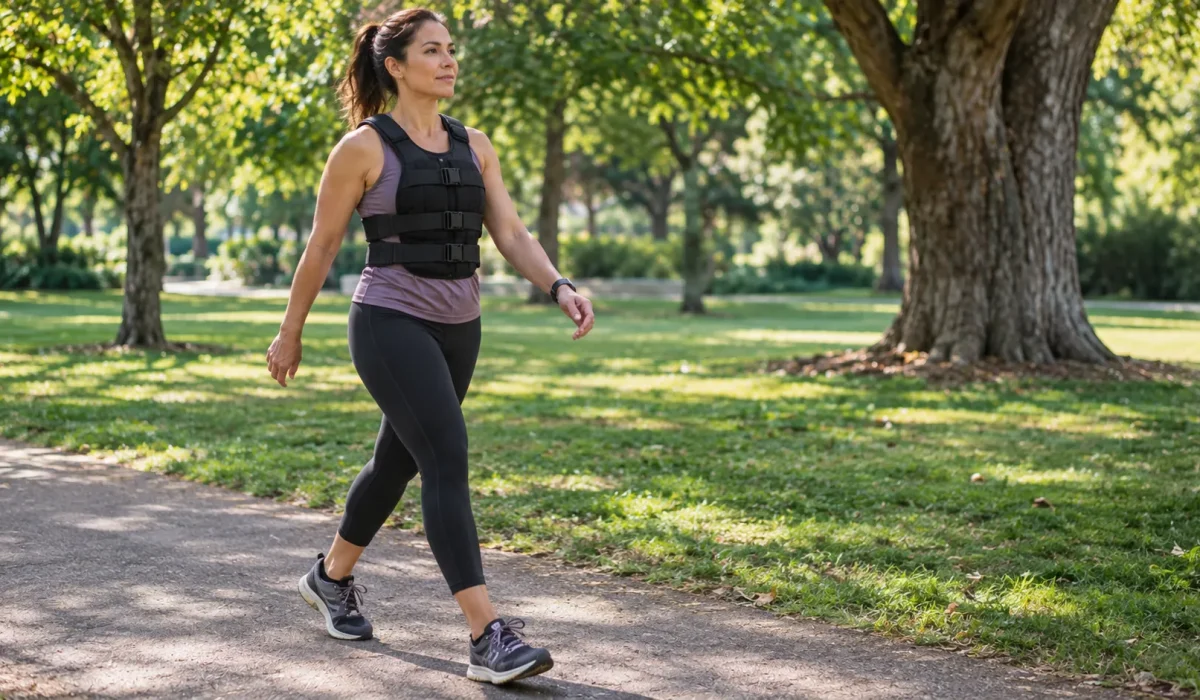
Walking with extra weight is one of the fitness trends gaining attention in 2026. Known as rucking, it involves walking while carrying a weighted backpack or wearing a weighted vest. The appeal is straightforward: take a familiar activity, add resistance, and make the walk more challenging. But the added load also changes how much work your back, hips, knees, ankles, and feet must handle.
Rucking injuries are not inevitable, and weighted walking can be an enjoyable option for some active adults. Problems are more likely when beginners start too heavy, increase distance too quickly, or ignore discomfort. Understanding the limits of this trend can help you benefit from the exercise without turning a routine walk into weeks of unwanted pain.
Why Is Rucking Trending in 2026?
Weighted-vest walks have spread through social media, neighborhood walking groups, and strength-training communities. Some people use rucking for cardio, while others hope it will help maintain muscle and bone health. A 2026 Cleveland Clinic article on weighted vests describes their growing popularity and advises users to prioritize secure fit and a sensible load.
Carrying weight requires more effort than walking without it, but that does not mean every online claim is established. Mass General Brigham’s review of weighted-vest claims notes that research is still limited. Evidence for large improvements in bone density from casual weighted walking is less certain than many advertisements suggest.
What Causes Rucking Injuries?
The body adapts to physical activity gradually. When a person suddenly adds weight, every step can place extra demand on tissues already supporting normal body weight. Load also affects balance, particularly on hills, stairs, loose gravel, and uneven sidewalks.
Risk factors include a poorly fitted pack that shifts during walking, excessive weight, thin or unsupportive footwear, steep routes, limited recovery, and previous joint or spinal problems. A heavy load carried far from the body may encourage leaning forward or arching the lower back. Trying to match someone else’s distance or speed can make the problem worse.
Five Common Injuries to Watch For
1. Lower Back Strain
Extra weight can fatigue back and trunk muscles, especially when a walker repeatedly leans forward or lifts the shoulders to stabilize the pack. Symptoms may include dull aching, tightness, or pain that worsens with distance. Our guide to back and neck pain explains other common contributors to persistent discomfort.
2. Knee Pain
The knees absorb repeated force during walking, particularly when descending hills or stairs. Adding weight without adequate conditioning may aggravate knee pain, including discomfort around the kneecap. People with existing knee symptoms should not assume a weighted vest will strengthen the joint. The site’s article on pickleball injury prevention discusses similar concerns about conditioning, sudden movement, and recovery.
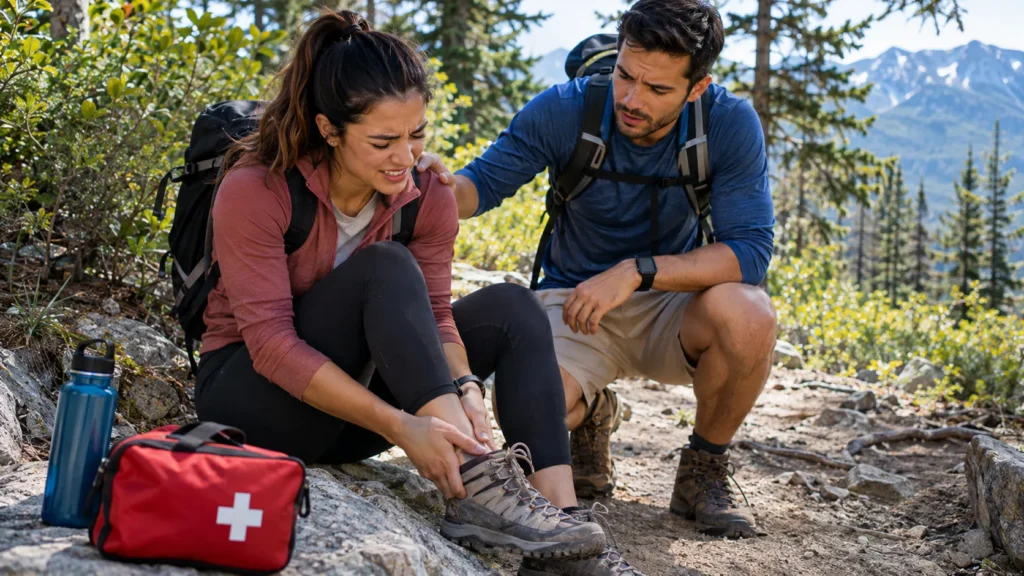
3. Ankle Sprains
A shifting backpack can affect balance during a misstep. On rocky paths, a person may roll an ankle while compensating for the load. The heavier the equipment, the harder it may be to regain balance. Choose even ground at first rather than beginning on technical hiking trails.
4. Foot and Heel Pain
Longer walks with added weight can irritate tissues under the foot or around the heel. Hot spots and blisters may develop when shoes rub, while repeated overload may aggravate tendon pain or stress injuries. Persistent, localized bone pain deserves medical assessment rather than another workout.
5. Neck and Shoulder Discomfort
Narrow straps, an unbalanced backpack, or constant shoulder shrugging can irritate the neck and upper back. A weighted vest may spread the load more evenly, but it must still fit comfortably. For everyday alignment advice, see Proper Posture 101.
How Much Weight Should Beginners Carry?
There is no perfect starting weight for everyone. Fitness level, body size, walking experience, terrain, medical history, and the equipment itself all matter. Begin by establishing a comfortable, pain-free walking routine without a load. Then consider a very light vest or backpack for a short, level walk.
UCLA Health’s weighted-walking guidance recommends gradually increasing the challenge. Harvard Health discusses loads around 10% of body weight as a starting reference for suitable adults, but that amount may still be too much for an untrained person or someone with pain. Starting below that level is reasonable.
Do not increase the weight, distance, speed, and hill difficulty all at once. Change one factor, assess your recovery, and progress only when the current routine feels manageable.
Weighted Vest or Backpack: Which Is Safer?
Both options can work, but their fit matters more than appearance. A weighted vest holds resistance around the torso and may feel more balanced. A backpack can be practical for hiking but may shift backward, causing the wearer to lean forward. Heavy items should be secured close to the body, and shoulder straps should not dig into the neck.
Check that breathing remains comfortable, arms can swing freely, and the load does not bounce excessively. The University of Florida’s discussion of weighted-vest risks cautions that extra weight increases stress on joints during repeated activity.
How to Maintain Better Walking Form
Keep your gaze forward, shoulders relaxed, and steps comfortable. Aim for a natural upright position rather than forcing the chest upward or holding the abdomen rigidly. If you notice persistent leaning, shortened steps, or one-sided discomfort, reduce the load or stop.
Mobility and strength also matter. A person with poor ankle control or weak hip muscles may struggle on uneven ground even without extra weight. The article on AI gait analysis for running injuries explores how movement patterns can offer useful clues, although technology cannot diagnose an injury by itself.
A Simple Safer Rucking Routine
For a first session, choose a familiar, flat route and walk at a conversational pace. Warm up by walking without a load for several minutes. Try a short weighted segment and finish with an easy, unweighted cooldown. Rest between loaded walking sessions while learning how your body responds.
Wear shoes appropriate for the surface, bring water, and account for weather conditions. If the vest rubs, the pack shifts, or your walking form changes, adjust it before continuing. You do not need to chase an arbitrary step count or compete with social media challenges. Our fitness tracker overuse injury article explains why recovery matters more than maintaining a streak.
Who Should Ask a Healthcare Professional First?
People with current neck or back pain, osteoporosis or a history of vertebral fractures, joint arthritis, balance difficulties, recent injuries, or other conditions affecting safe exercise should seek individualized guidance before adding weight. Pregnant people should also avoid assuming a weighted vest is appropriate without medical advice.
A clinician or physical therapist can help determine whether ordinary walking, progressive resistance exercises, or a supervised conditioning program is a better starting point. Weighted walking is optional; people can improve fitness without carrying additional loads.
When Is Pain a Warning Sign?
Some temporary muscle fatigue after a new workout can be normal, but sharp or worsening pain is not something to train through. Stop and arrange evaluation for persistent joint swelling, repeated buckling, numbness, unusual weakness, or focal pain in a foot or shin. Seek urgent care for inability to bear weight after an injury, severe back pain with new neurological symptoms, or other serious symptoms.
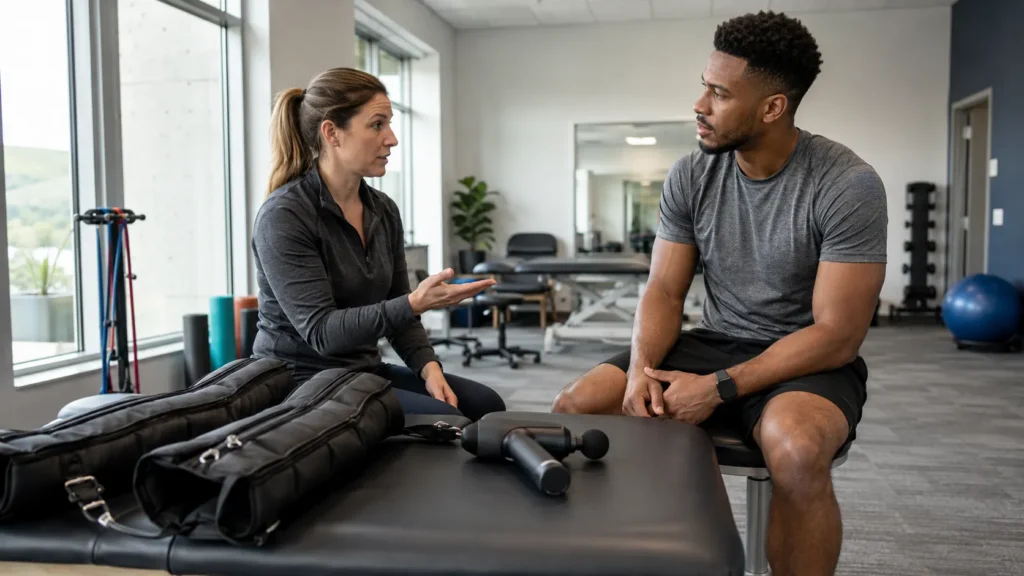
Do not use a massage gun or other recovery device to conceal a problem and resume loading immediately. See our guide on recovery tech injuries for safe-use cautions. The CDC’s physical activity guidance provides a useful reminder that ordinary walking and other moderate activities remain meaningful exercise options.
Final Thoughts: Make the Walk Work for You
Rucking is popular because it makes an accessible exercise more demanding with minimal equipment. That convenience should not obscure the potential for back, knee, ankle, shoulder, and foot problems when the load exceeds a person’s current capacity. Stronger effort is not always better training.
Start with comfortable walking, choose a light and stable load, progress slowly, and take pain seriously. Good footwear, manageable terrain, rest, and sensible strength training can matter more than buying the heaviest vest. Use rucking as one possible tool for staying active, not as a test of how much discomfort you can tolerate.